Tuesday, October 23, 2012

Wow, So Sweden has a Coral Reef ?

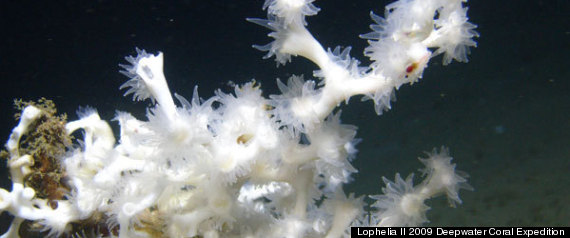
Photo: PhysOrg
A close-up image of Lophelia pertusa coral taken by a remotely operated vehicle 1,450 ft depth in 2009. Although this image was taken in the Gulf of Mexico, the species also lives in Swedish water. 
http://phys.org/news/2012-10-sweden-coral-reef-dying.html

Norway's Cold Water Coral Reef
Yesterday, News Reports came out that Sweden's Säcken Coral Reef was in danger of going extinct. Most people don't consider Sweden or Norway to be places which have coral reefs off their coasts. Why we all think of coral reefs as being a tropical phenomena. Yet incredibly there are cold water coral species and an abundance of other colourful biodiverse sea life that depend on them.  So what has happened ? Here is yesterday's published info on the ecological disaster happening presently off Sweden's coastline which comes straight from the University of Gothenburg, Sweden on the west coast. Here are some quotes from the article:
"We've known since the mid-1920s that cold water coral reefs exist here in Sweden," says marine biologist and researcher Mikael Dahl. "At that time, corals could be found at three locations in the Koster Fjord. Today, only the Säcken Reef remains, and it's in poor conditions."
So what has happened ? Well the first thing that comes to mind is mankind's ability at polluting and filthing up the environment around us. The Baltic Sea certainly has it's problems with so many nations surrounding it's coastlines and needing to keep economies going. Despite Sweden's reputation for being Eco-Green, they have their issues as do all other nations in this regard. Gothenburg's Harbour for example is typical for any harbour surrounded by City with all it's infrastructure. Storm runoff is almost impossible for any country to contain and authorities are at the mercy of it's citizens to keep their surrounding hygienically clean. Once again, we don't live in a world like that. Silt and other debris certainly are issues as the article referenced, but is there something more ?
"Some of the causes to this are the impact of Trawling and increased sedimentation from eutrophication. Continuous observations with remotely operated vehicles (ROV:s) shows that the health of the reef slowly continues to decline.
"The red list assessment is currently in the 'under immediate threat' category. The Säcken Reef has been protected against trawling for more than a decade, but trawling damage have been observed on the reef several times after legislation was set in place", says Mikael Dahl.
So sedimentation and eutrophocation (pollution chemicals which create nutrient enriched waters - kind of like a Miracle Grow for Algae which gives polluted waters that pea soup green effect) are listed as culprits, but notice also Trawling was referenced. The fishing industry as we know uses net to catch fish as we all are aware, but how could that effect Coral Reefs ? Are not fish swimming up and around in the water and coral reefs on the sea floor ? True, but the trawling referenced here being utilized is a drag net type of fishing to catch a specific bottom dwelling species of fish which is extremely popular with most people in this part of the world.

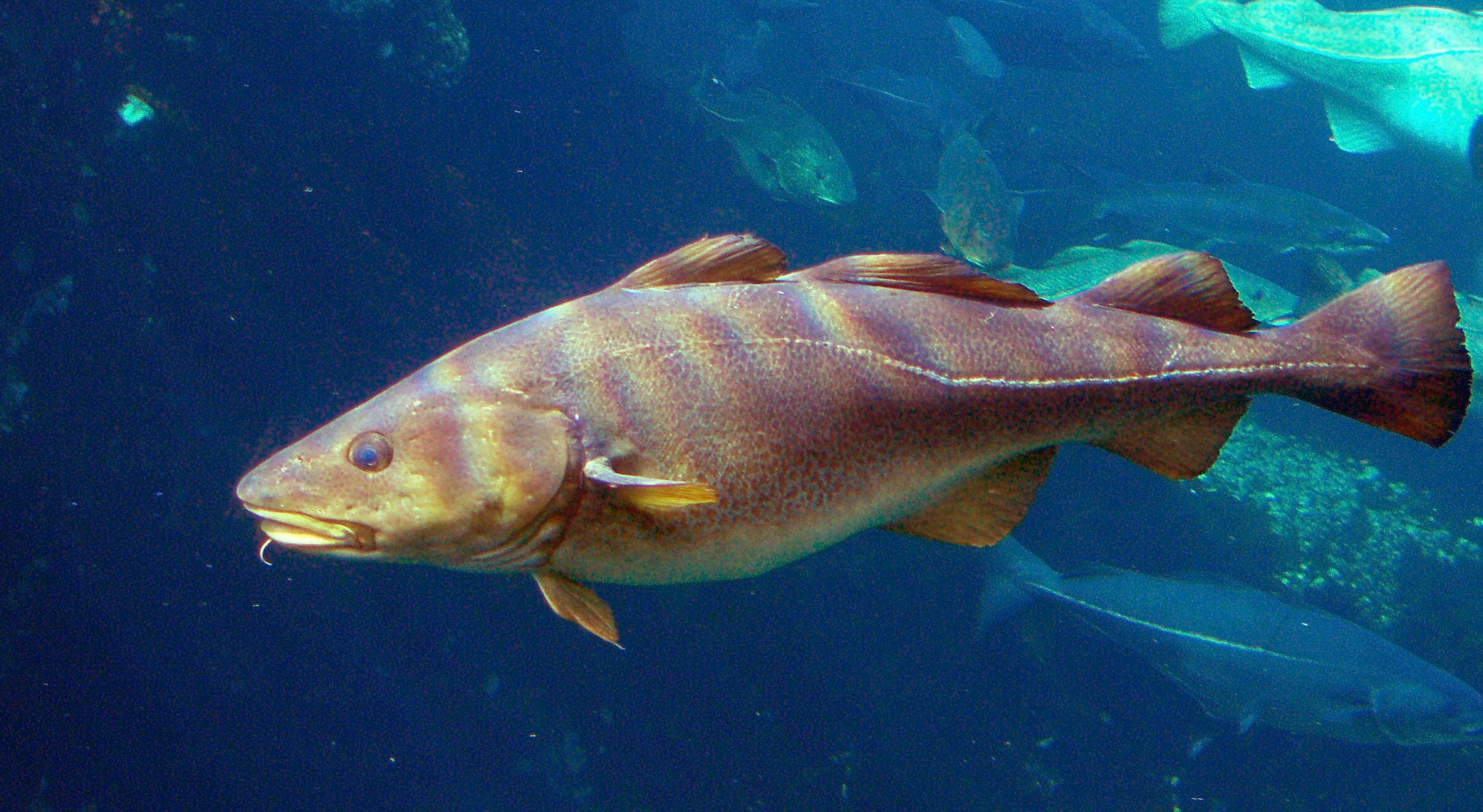
Atlantic Cod
It is the human love affair with the taste of Cod Fish that causes the problem. Mmmmmm, Cod is one of the world's flavourite fish whose taste is mild and with a dense flaky texture to it's white flesh.  It's also famous for it's well known health food store items known as Cod Liver Oil which is said to be rich in Vitamins A, D, E, and omega-3 fatty acids. The Atlantic Cod is also well known as the main ingredient for Great Britain's Fish & Chips. They inhabit the seas of many northern areas and in many ways are similar to other well known popular seafood cold water seafloor dwelling fish like Flounder and Halibut. Atlantic Cod occupy a varied habitat favouring rough ground and are considered what is called a Demersal Fish, which means they prefer to live and feed near the bottoms of seas and/or lakes.

Norwegian Libas Fishing Trawler
It's for this reason modern giant Trawler Fishing Ships which look more like a military outfitted weapon of war of a Superpower's Navy than the old time humble fishing boat are the main reason seafloor habitats are being destroyed. These nets must be dragged along the bottom scraping and scouring everything in front of it. Virtual deserts are created quite literally under the water where abundant bio-diverse life once existed. When the nets are brought all other life forms are discarded back into the sea while the prized Cod are kept. But the collateral damage has already been done. The Swedish Säcken Coral Reef has been a casualty in all of this. It has been noted that damage is so severe from this irresponsible fishing practice that left to it's own healing, it will never come back. Therefore the plan appears to transplant manually coral species from intact Norwegian reefs as mentioned in the article:

"This means that it is highly unlikely that the Säcken Reef will recover naturally", says Mikael Dahl, who led the study. "Instead, interventions are needed in order to ensure the survival of the reef."
The importance of starting restoration on the basis of the results, researchers from University of Gothenburg have started a restoration project where healthy corals from nearby reefs in Norway are being removed and placed on the Säcken Reef after being genetically characterized. The researchers hope that these corals will survive the process of being transferred, and that they will be able to help with the reestablishment of the reef, through both asexual and sexual reproduction.
The Säcken Reef is spread across an area of 5,000  , but today there is only living coral in an area of around 300-500 
Source of Article: 
 Sweden's only coral reef at risk of dying


Which do you prefer ?

Humans love Fish & Chips, but this favourite food quite possibly could be a thing of the past if this obsessive regular demand for ir doesn't change some time soon. While words/terms like being moderate or setting reasonable limits on one's consumption are often suggested in our modern world's Eco-Green Political Climate, but the reality is we don't truly live in a world like that. People everywhere demand their rights to do as the please. Still, with that in mind, the increasing human population can either limit it's intake by moderation or do without altogether.



Friday, October 19, 2012

Hurray, it's "Taco Night Fridays"

Taco Night Fridays is a  Mexican  *cough-cough*,  I mean Swedish tradition. Aside from the usual long lines at most SYSTEMBOLAGET Stores across Sweden before the weekend begins where the folk who live along the Vodka Belt of the planet load up on all manner of their favourite drink, the Taco Night has an even more powerful draw. 


A Swedish Traditional Food = Taco Fridays!
Interestingly it all starts at your local Swedish Grocery Store. We like to shop at the local ICA-MAXI Store in Torslanda or the ICA Kvantum Store in Sannegårdenhaven Eriksberg on Hissingen. 

MAXI ICA Stormarknad - Torslanda


Photo: Mine
It all begins here in the Produce Section. Quite often in the produce section there will be a display with products from brand names like Old El Paso & Santa Maria. These companies provide all manner of Mexican Spices, Tortillas, Taco Shells & Tubs (like the ones  introduced by Taco Bell in the 1960s)  jars of Salsas etc etc etc. They will have Avocados and Tomatoes displayed in among these other products on Fridays to induce people into purchasing these for Friday Night Tacos. Funny thing here about that word Taco. To a Swede, everything Mexican is Taco. Doesn't matter if we're talking Enchilada, Burrito, Chile Relleno, Taquitos,   Quesadilla or whatever, it's all Tacos. I think it's a Socialist version of Logam where everything must be equal. 

Photo: Mine

Ah here is my section. I would have photographed the entire thing bit these two feisty ladies wouldn't get out of the way - whatever! Al manner of things Mexican from Tortilla Chips (plain or flavoured) Flour Tortillas and a phony type of corn tortilla which is mixed with wheat flour which basically has the same taste as flour. Anyone who has had corn tortillas knows what I'm talking about. Now this section is dedicated to all Old El Paso & Santa Maria brand name products, but still such a large aisle dedicated to the Mexican palate is something one would not expect to find in northern country like Sweden. For me it's a life saver.

Photo: Mine
This section is important for getting grated  Cheese for Tacos. I purchase a bag labeled  Pizza Ost(cheese) for this. You can also get something called Creme Fraiche(sour cream) from the Dairy section where milk is located.


Photo: Mine

This is the Torslanda Bakery section, but I prefer bread from ICA Kvantum Store at Sannegårds. When they remodeled this store a couple of years ago they gave up a bread brand in favour of another which for me was cheaper and less quality. ICA Kvantum Store in Sannegården picked up the older brand which has the more rustig chewy bread. 

Okay, so here is what I pick up at any of the stores throughout the week fresh for making Salsa. I actually dislike the canned or jar brands. The first thing one needs is an electric food processor. I have used a manual hand crank salsa maker, but I like the electric it's faster. The one pictured here on the right looks exactly like our own on the kitchen counter. They're great and beat the hang crack gadgets on the market

Next I first choose either the Jalapeno or Habanero chiles for adding the flavour and heat that I want. I often have gotten into trouble from my family for purchasing and using the Habanero. As you know, many northern Europeans burn their lips on Ketchup. Actually these Greenhouse grown Jalapenos are bred for Gringo Styled palates.

Next I need to red or yellow onion for the Salsa. Usually I choose yellow onion for this. Good quality onions are hard to come by in Sweden. Of course most everything produce-wise is imported from warmer countries that grow it. I often joke about onions being grown in Israel or Africa and loaded onto an old wooden sailing ship which has been out to sea for months before arriving at Gothenberg Harbour. You have to carefully choose by squeezing for firmness because often times that can be rotten inside, especially in winter.

And what Salsa would not be the same without a good strong fresh garlic for which you will need a good garlic hand operated press tool. I use about three or four cloves from the garlic bunch. When you think about it, all of these ingredients which go into making salsa are a very healthful bunch & sickness preventative.

Next you will need some Cilantro or as the Euro-zone refers to it as Coriander. This is usually one thing that is missing in many of the Salsas made here in Europe I've tried. When generally get the Santa Maria brand nicely packaged Coriander or purchase large bundles from a few of the Immigrant produce stores here in Sweden which often have better and bigger quality and quantity. We go through a lot of it every week and so buy large bundles. The immigrant stores also usually have better prices. Even quality. Well, at least larger sized produce. They have connections.

Now finally there both limes and spices to add to the final flavouring of your Salsa. Seriously , what Mexican Food wouldn't be without some good limes ? Not only have we used a half of one in the Salsa for freshness and preserving, but what is left over can be used for your Corona Beer or for making your own Margarita mix. Margarita Mix here is outrageously expensive, almost $10+. We make half the mix with fresh squeezed lime juice and the other half with a sugary lime juice syrup concentrate from the store. 

Of course the spices, I almost forgot- We purchase the already made Santa Maria or Old El Paso Taco Spice mix blends in the small packets. Mostly though it is Santa Maria. Original Taco Spice mix and/or some of the Habanero Salsa mix. They actually have a huge variety of mixes. We get the Chile Con Carne mix for bean and ground beef chile making and also the lime and coriander or smoked chile flavoured. All of them very good and fun to experiment with. 

Now is the time to put it all together. Main ingredient first though are the Tomatoes. We buy over here the Dutch Green House grown in what are called Kvist Tomatoes which look like the photo above to the left. These are always identified by the green stems still connected to the bunch. In that food processor and cut up into four quarters the tomato and I figure about two thirds of the blender should be tomato. Next I use one large yellow onion which I cut in half and then half again to get four chucks which I put in the blender. Next four or five garlic clove peeled and pressed into the mix. As far as chiles, I use two Jalapenos or just one Habanero depending on what type of salsa I want. I finely slice length-wise several chile thin strips after cutting off the stem and then finely chop these thin slices to make little bits and add them to the mix. Next I take about 8 or 10 long stems of Cilantro (Coriander) and chop them finely on a cutting board before adding them to the mix. I then add generous portions of the Santa Maria Taco spice mix to the mix leaving about a quarter of the mix in the package, but you can add as much or less to your own taste. I have created mixes from scratch, but this store brand is fast and easy and tastes perfect. Then I add the half wedge of whole lime squeezed into the mix, put the lid on and blend. Depending on how long you blend, you will get a Pico de Gallo mix which is chunky in texture or liquefied to a hot sauce blend. 


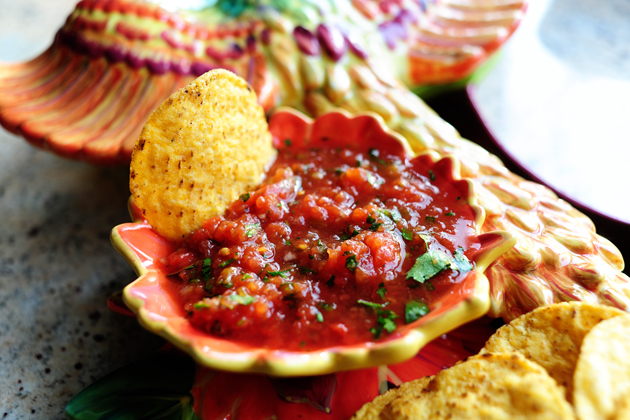
Pico de Gallo is a chunky type of blend as seen here for which you may use the blending food processor to accomplish or do it by hand.


Real Salsa on the other hand is more of a blended liquefied texture for which many prefer to dip their corn chips into. Well, this should get your Taco Night Fridays off to a good start. Next week I'll do a Part Two with the actual taco making and my own Guacamole mix. Oh and don't forget the Coronas or Margaritas !!! BTW, Corona 3.2 Beer can be purchased at ICA MAXI & Kvantum Stores.

Corona with Lime - Don't Be Greedy!
References and websites for recipes:
http://www.santamariaworld.com/choose-country/index.html?nocache=1


http://www.oldelpaso.co.uk/


http://www.tasteofhome.com/Recipes/Mexican-Salsa


http://www.mexgrocer.com/mexican-recipes-salsas.html


~~~~~~~~~~~~~~~~~~~~~~~~~~~~~~~~~ 
And for people in the United States here is a website to a southwest Mexican Grocery Chain store that I absolutely love when I'm there. I could love working at this place.Cardenas Market

http://www.cardenasmarkets.com/home/home_en.html


Cardenas Market - El Centro California

Monday, October 1, 2012

75 minutes of Thunder and Rain - Relaxed and Soothing sounds for your ears


Typical Summer Monsoon Forecast
Some time early on this blog I have posted about my love for the monsoon season. Not just any rain event, but summertime monsoonal rain events with all the Thunder & Lightning that goes along with it.
http://timeless-environments.blogspot.se/2012/07/i-love-monsoon-season.html 


Of course there is even more. To me summer rains mean the scent and fragrances that come along with them. Back in the 1980s, long before internet reading I did things the old fashioned way with a book and a chair or couch on my covered porch deck in the afternoon. Whenever there was a weather report indicating monsoonal moisture out of the east from Arizona to California mountains, then you knew porch reading in the afternoon was going to be a pleasure. 

By Meteorologist Kevin Martin

Southern California Weather authority
A big part of the experience for me was not only the sights and sounds, but also the almost addictive highs one gets off the refreshing fragrances which came off of the Redshank or Ribbonwood chaparral and also from the low deserts filtering up through Coyote Canyon from Borrego Springs the smell of the Creosote Brush. I recently found an audio recording of a Monsoonal Thunderstorm which lasts for 75 minutes. The sound is wonderful to read by and I have had rain forest sound recording before, but found this by accident yesterday. It starts off slowly with rain and thunder moving closer until finally it's right on top of you. Then at the 58 minute mark it starts to taper off as it does in real life. I remember sitting for three hours after the initial blast came through and a slow steady gentle shower just pelted away at the roof until the cloud formation was dry. Sometimes it was something to fall asleep by.


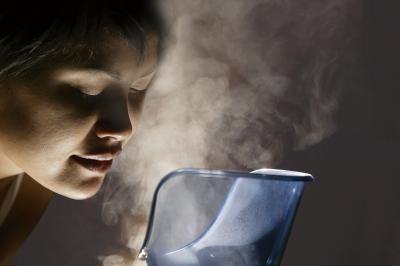
Essential Oil Humidifier
The only other thing that would make this listening pleasure perfect is to have some sort of replication of those fragrances & negative ions floating all around in the air in your room when you are listening and reading. And I think I've found an answer. We use to have a humidifier which had a reservoir depression just where the mist came out which you filled with your favourite Essential Oil (Volatile Organic Compound Tincture or oil extraction from plants). You know of course any proper monsoon season has high humidity. So that is a must along with the fragrant atmosphere. Surely such oils could be made from home if you've got the proper equipment and know how. Can you imagine having Creosote & Redshank essential oils ? Of course around our globe many people experience fragrances which are local to their areas, but you can adjust accordingly. 

There are countless other recordings on Youtube, but you can find them. Enjoy the experience from the one posted above if you have time (75 min). And don't forget to Bookmark it. 

--

Thursday, September 27, 2012

AgriLife Research expert: Salt Cedar beetle damage widespread after warm summer


(Texas A & M Agrilife Research photo by Dr Jerry Michels)
Salt Cedar (Tamarisks) Beetles came out and rapidly multiplied this summer, defoliating Salt Cedar Trees along waterways in the eastern and southern parts of the Texas Panhandle
A couple days ago I wrote a piece on Mesquite Dune construction as a Agricultural replacement for Tamarisk wind/sand breaks which had unintended consequences when they were first brought over by early pioneers for use as tough plants which would create the perfect windscreen for crops in dry hot southwestern Deserts. Unfortunately they easily naturalized in the wild dryland areas of the western and southern United States and exploded into wild riparian ecosystems where they have for the most part taken over and replaced most of the Native Riparian (Lakes, Rivers, Streams, etc) Vegetation.

Mesquite Dunes: Practical Solution to Tamarisk Removal & Replacement

Tamarisk bloom in Göteborg Sweden
No doubt that this tree/shrub is a tough survivor. People here in Sweden also plant a certain variety of it as an ornamental to their urban landscape. It does fine, but the climatic conditions here do not allow it to explode in population and spread out into the wild. The natural control of course is this regions frigid weather here. Being from the southwest myself I know exactly how the tree feels about cold. But I also admired it's toughness for survival.

photo by Kay Ledbetter
Dr Jerry Michels Texas A&M AgriLife Research entomologist in Amarillo, inspects damage to Salt Cedar along a waterway in the southwestern Panhandle.
Here is the full article from the online Texas A&M AgriLife magazine:
http://today.agrilife.org/2012/09/26/agrilife-research-expert-salt-cedar-beetle-damage-widespread-after-warm-summer/


"The High Plains regions is experiencing a dramatic increase in defoliation caused by Salt Cedar Beetle, which has researchers excited about their work from previous years."
Photo Credit: Tom Paine
Notice on both sides of the "New River" which flows out from Mexico how overtaken the river  banks are with the non-native Salt Cedar or Tamarisk. There is absolutely no native southwestern native riparian vegetation what so ever. With the successes of this Salt Cedar beetle being introduced, then maybe there may be a slight chance of getting the upper hand and replanting Mesquite, Willows, Cottonwoods, perhaps Arizona Sycamores and other native vegetation which would be a plus for the native wildlife to this region.

Image - Desert Ecology
Extensive stand of Tamarisks along the Colorado River and its floodplains, near Yuma, Arizona. Note the irrigation canal in the lower part of this image. Tamarisks rapidly invade the margins of water courses when the fine, silty soils are cleared of native vegetation during construction work of this type.
Photo: Tom Dudley
Salt Cedar Beetles rapidly eating and defoliating Tamarisks along the Colorado River near Moab Utah. Untouched and green native willows are seen in the distant background along the Colorado River.
All in all this is great news in a world that gives us very little Good News. Of course not everyone is happy. The infamous Center For Biological Diversity & Maricopa Audubon Society has filed a lawsuit to save an endangered songbird called the Southwestern Willow Flycatcher. The claim is Songbirds use the Tamarisk as nesting and the invasive beetle would destroy all the habitat. This is more political than environmental. 
UPDATE - 2013
https://www.biologicaldiversity.org/news/press_releases/2013/southwestern-willow-flycatcher-09-30-2013.html 


Thursday, September 20, 2012

Swedish Coastal Seascapes Reminiscent of San Diego California

Photo: Mine
Overlooking the Pacific Ocean from the  Torrey Pines State Reserve Sandstone Cliffs (2008)
Wild Southern California coast
When I tell people I'm from San Diego California, they often ask me if I go down to those wonderful beaches they always hear about. I tell them no or well maybe once in awhile. They next come back with, "Don't you like the beaches there?" I respond by saying, "Sure, if it weren't for all those other 10 godzillion people who like to go there too." Actually I'm not much of a coastal person. I'm a desert rat by nature who likes the peace and quiet of such locales.


Del Mar & other over built cities surround this area
First there is all that traffic congestion and commercial & bedroom district development. I think more importantly I don't like all that fog and low clouds marine layer, never have. You know ? June Gloom - May Gray !!! I not only dislike cold, but I hate it even when there is an annoying chill in the air. Okay I know, why do I live in Svenskland ? Off hand I'd say I got married. But give me Mountains or High/Low Deserts anytime and I'm a happy Kamper. But when I do go to the beach, we head out for Torrey Pines State Beach. It's one of the last wild beaches of sorts that Southern California has. Favourite thing to do is walk for a few miles south towards La Jolla CA to Scripts Pier along some almost wild coastline, short pants and barefoot, exploring tidal pools along the way. Typical windswept appearance of the Torrey pines for which this State Park and the very tree itself is famous for. Constant westward winds from the Pacific Ocean create what most of the experts call twisted Grotesque shapes and picturesque form. 


Photo: Mine

Last time I went to Torrey Pines State Beach it was last year June 2011. I never get tired of that place. I love the wind sculptured trees and chaparral. And as you can see from the above photo, there are still some genuine Coastal Cholla Cactus to be found. Actually this specimen was right close to the bottom of the cliffs near the seashore. It was a bit sheltered from the salty winds behind a sandstone wall of sorts. But it's those windswept trees you see on the hikes that intrigue and give ideas for urban landscape designs. 


Photo: Mine

It's amazing how different the growth habit is away from the Sea. Trees are usually very tall with a wide crown. Trunks are straight and tall after an early life of being adolescent, leggy and awkward.

Swedish town of Mölle
Okay, let's fast forward to this to Svenskland (Sverige - Schweden  Sweden). There is an area along the south & western coast of Sweden which has a Nature Preserve with cliffs and sea influence like that of Torrey Pines. We visited there back in 2005. It is just northwest of a large Swedish city called Helsingborg which itself is across the channel from the Danish island where the capital of Copenhagen Dänemark is located. The closest town is called to this Park or Nature Preserve is Mölle as you can see above. The nature preserve is to the left of the photo. Below is a scene of the town from a Highway Viewpoint overlook.

Highway Scenic View Overlook of Swedish town of Mölle


Windswept Pinus sylvestris and Quercus robur
But it's the wind swept trees that brought back the memories of my Torrey Pines State Reserve. The pines here are however  Scots Pine (Pinus sylvertris). Of course the common name is different in it's numerous locations of it's natural range which I call the Vodka Belt of the world. Norway, Sweden, Dänemark, Finland, Russia, Siberia, Alaska, Canada etc. The other windswept tree is the native Oak (Quercus Robur) which itself is native to most of Europe and parts of North Africa. It's common names are many as you can imagine. But here at the park it is rather stunted looking more like some Chaparral Scrub Oak. This particular Park location is on a rather narrow peninsula in Southern Sweden. 


Photo: Mine
Clearly the stunted windswept & picturesque patterns can be seen in this seacoast habitat.


Photo: Mine


Photo: Mine

Photo: Mine
This is the actual coastline, but you won't find any crashing waves existing here. This inland waterway does not have the energy of the larger oceans. Although it can have it's moments during storms. About the only time you'll see waves here is five minutes after a Stena-Line Ferry passes by offshore and even then they are only knee high. Water is beautiful and crystal clear but frigid. 

Kullen Lighthouse Viewpoint


Kullen Lighthouse
We didn't have much time to explore and walk around, but I'd love to go back and explore deeper inside those stunted tangled forests. I hate the word grotesque as a description of the growth patterns because for me it always has a negative sound about it. Picturesque is more like it. This area is one of the very few places I have liked over here and trust me that has been a huge mental challenge for almost seven years here. Interestingly we saw very few Swedes here. Mostly German Tourists. It had a feeling of Germany which of course is further south from here. Anyways, that's my comparison. I'm sure there are countless other areas around the globe like or similar to Torrey Pines State Reserve. I just happen to find another one. And yet there are some evidences that others in different parts of the globe have had similar pondering and creative ideas from such experiences.


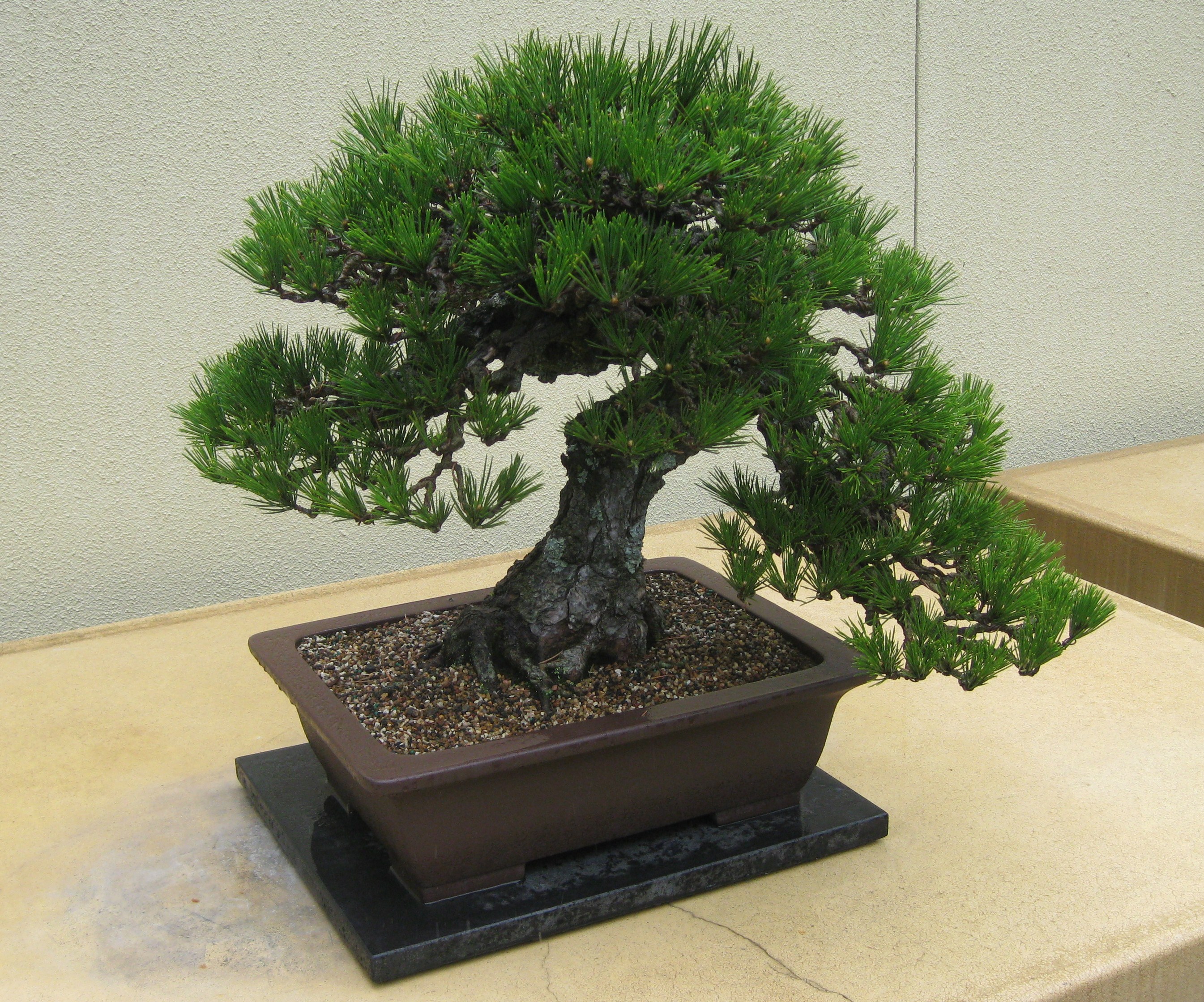
Japanese Black Pine - Bonsai
I can imagine other places like over somewhere over in Japan where the well known Japanese Black Pine (Pinus thunbergii) of Bonsai fame must have inspired someone there way back when who meditated on things observed in Japan's Natural world. Somewhere a Japanese individual was pondering what he/she saw at a place where these pines grew from a crack in a granite face and the lights came on. Restricted growth could be replicated if one creates the correct habitat conditions. There is an incredible amount of information to be gleaned from such an experience if an intelligent person can focus their mind and have the ability to be able to unlock it's potential practical applications. That is if such  information is not abused or misused in any way, shape or form. A big part of developing such ability for creativity is dumping the television set and at least setting aside once in a while some of your other electronic devises for which you have been sold (conned) into believing life is almost impossible to live without.
~~~~~~~~~~~~~~~~~~~~~~~~~~~~~~~~
Some Interesting Links:

http://botanyboy.org/pinus-thunbergii-the-japanese-black-pine-tree/


http://www.plantwise.org/?dsid=41732&loadmodule=plantwisedatasheet&page=4270&site=234